July 29, 2026
The decision to install, maintain, or repair a household groundwater system is a major step for any property owner. Having a self-sustaining supply of clean water offers independence from municipal utility networks, which is especially valuable for rural properties and agricultural land. Managing a private system requires understanding how underground components function and what ongoing care keeps them operating efficiently. Before making key decisions, knowing what to evaluate when seeking water well services ensures your groundwater system remains safe and dependable for years to come.
Private wells tap directly into natural aquifers deep underground, granting homeowners complete control over their primary domestic supply. While this self-reliance provides convenience, it also means that monitoring equipment and scheduling regular maintenance fall directly on the property owner. Taking a proactive approach allows you to prevent unexpected breakdowns and maintain optimal system performance. Working alongside experienced specialists helps you establish a practical care routine that protects your equipment against contamination, mechanical wear, and structural issues over time.
Learn the Essentials of Household Well Systems
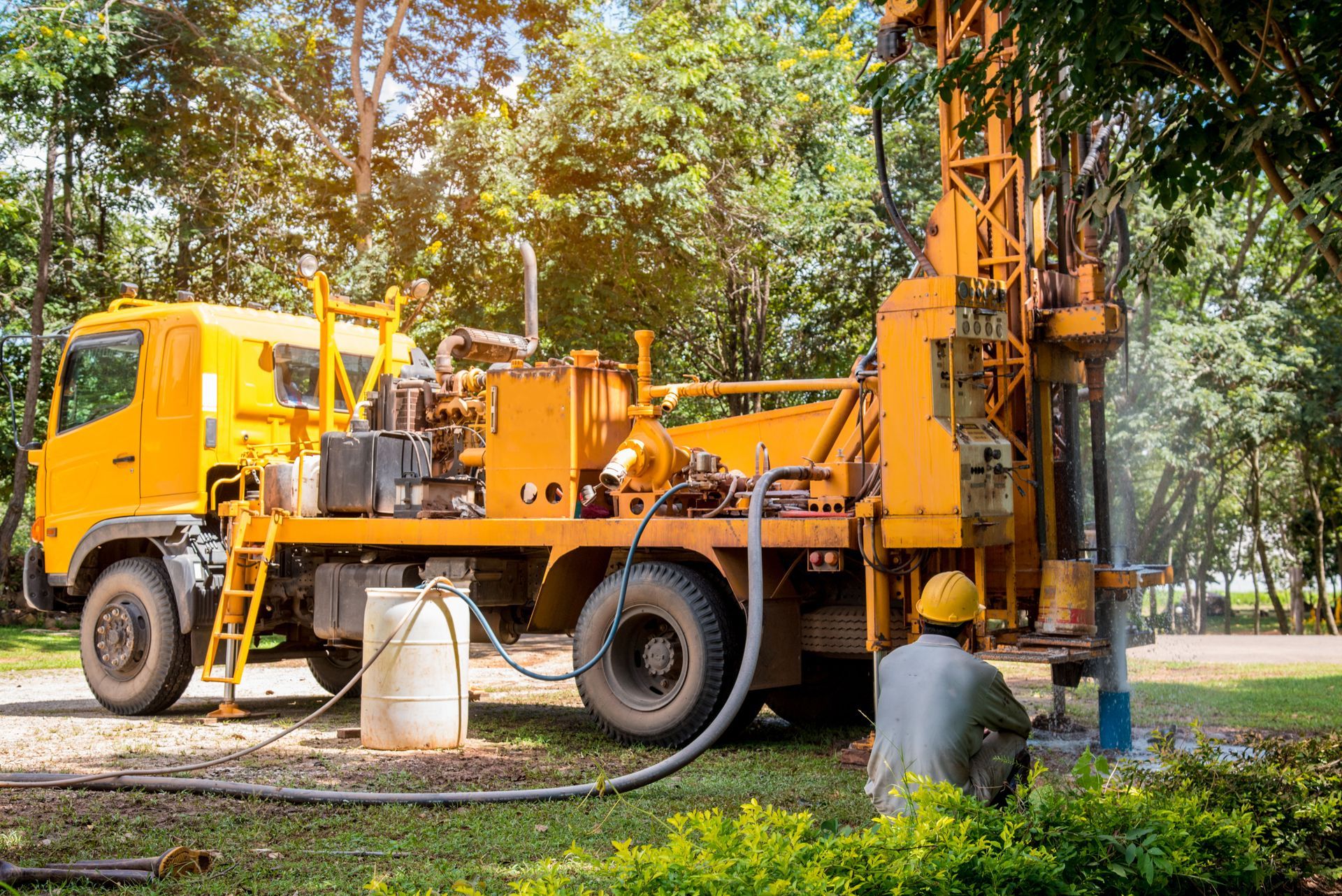
Understanding the basic design of a private well system helps property owners make informed choices regarding installation and long-term upkeep. A standard installation consists of a drilled borehole lined with a durable casing that stabilizes surrounding soil and keeps surface runoff out of clean underground aquifers. Deep inside the borehole, pumping equipment lifts groundwater to the surface where pressure management equipment routes water throughout the household. Professional water well services evaluate these essential components to ensure every part of the system operates in harmony.
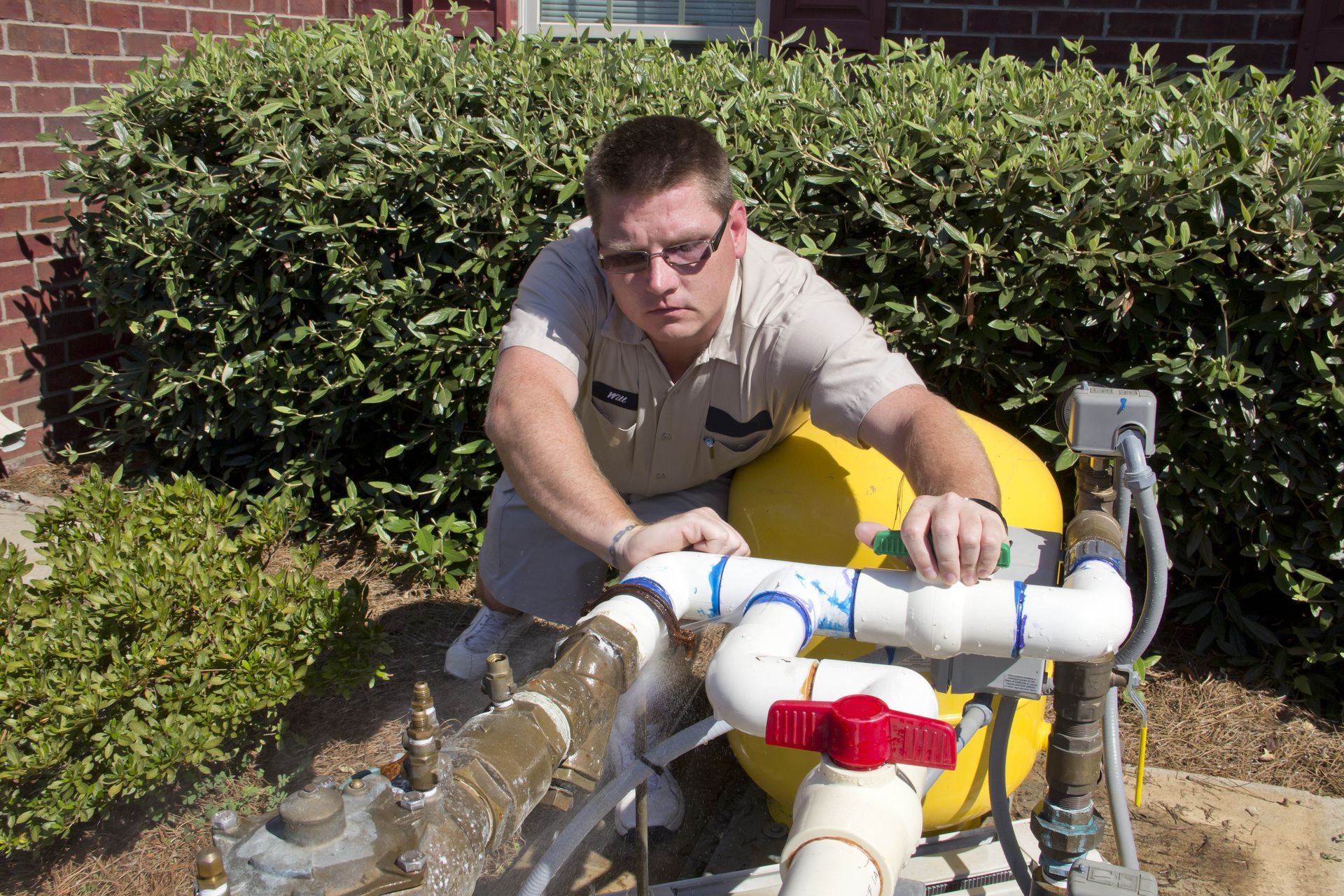
Beyond the primary borehole and pump, systems depend on pressure storage tanks and filtration equipment to deliver steady water flow to fixtures. Pressure tanks maintain consistent household pressure while reducing mechanical wear on the pump motor by preventing continuous cycling. Proper installation of these surface components prevents early component failure and ensures smooth distribution during periods of peak household use. Understanding how these connected parts function allows homeowners to spot subtle performance changes early and arrange necessary repairs.
Evaluate Property and Water Consumption Needs
Before breaking ground on a drilling project or upgrading an existing setup, homeowners must assess total domestic consumption requirements accurately. Determining daily demand requires reviewing household size, peak usage hours, lawn irrigation needs, and any specialized agricultural requirements. Choosing an undersized pump or shallow borehole can cause water shortages during high-demand periods, while an improperly matched system puts strain on electrical equipment. Partnering with skilled technicians who offer water well services during initial planning ensures your system satisfies daily household requirements.
Along with evaluating water consumption, property owners must analyze the physical landscape and underlying geological formations on their land. Soil composition, subsurface rock layers, and natural water table depth all influence drilling accessibility and equipment requirements. Proper site selection requires adhering strictly to environmental regulations that mandate minimum setback distances from septic systems and property lines. Choosing an accessible location protects groundwater quality while ensuring service trucks can reach the wellhead easily for routine maintenance.
Select Qualified Well Drilling Professionals
Choosing an experienced, fully licensed contractor is essential for securing high-quality workmanship and reliable equipment operation. According to IBISWorld, there were about 7,896 water well drilling services operating across the industry as of 2025. With many options available, property owners should carefully verify contractor credentials, licensing, liability coverage, and practical field experience. Qualified specialists demonstrate their expertise through detailed technical proposals and a proven track record of successful installations in regional soil conditions.
Homeowners can gain valuable insight into a contractor's reputation by reading local reviews and asking neighbors for personal recommendations. Reviews often reveal helpful details about a contractor's punctuality, problem-solving skills, and ongoing customer support after installation is complete. When interviewing prospective drilling companies, ask clear questions regarding their experience with local hydrogeology and maintenance routines. Contractors who provide comprehensive water well services will gladly answer technical questions and outline long-term care options for your system.
Prepare for System Maintenance and Upkeep
Establishing a routine maintenance schedule is vital for preserving system efficiency and preventing unexpected mechanical failure over time. Physical components such as well seals, electrical wiring, check valves, and internal impellers experience continuous wear from water exposure and mineral deposits. Scheduling periodic professional inspections allows technicians to check motor performance, test water pressure, and inspect seals before minor wear leads to severe breakdown. Routine care extends the operational lifespan of equipment like submersible pumps and storage tanks.
In addition to scheduling professional service visits, homeowners should conduct simple visual checks around the wellhead throughout the year. Keeping the immediate area around the casing clean and free from chemicals, debris, and overgrown vegetation prevents surface runoff from contaminating the water supply. Homeowners should also observe pump cycling habits to ensure the motor does not start and stop too frequently. Addressing performance shifts promptly by contacting reliable water well services prevents minor faults from escalating into full-system failures.
Test Water Quality and Contaminant Levels
Routine testing is a critical responsibility for every private well owner because untreated groundwater can carry invisible biological or chemical contaminants. Rainwater runoff, agricultural land use, septic systems, and naturally occurring mineral deposits can introduce unwanted elements into underground aquifers. Periodic laboratory testing identifies harmful impurities affecting water clarity, taste, or safety, allowing homeowners to select appropriate treatment solutions. Establishing a regular sampling schedule ensures your drinking supply remains safe, clean, and healthy for your household.
Reviewing water testing results alongside experienced technicians enables property owners to implement targeted filtration and purification systems. Depending on laboratory findings, recommended treatments may include installing sediment filters, water softeners, or specialized disinfection units to eliminate identified contaminants. Experienced providers of water well services can pinpoint the root causes of water quality changes and perform casing or seal repairs to block surface runoff. Maintaining detailed testing records over time helps monitor long-term groundwater health.
Address System Upgrades and Urgent Repairs
Even with careful upkeep, well equipment eventually requires mechanical upgrades or prompt repairs due to aging parts or electrical surges. Unexplained pressure drops, discolored tap water, sputtering faucets, or unusual noises from the pressure tank indicate that your system needs immediate technical evaluation. Experienced technicians can quickly diagnose issues such as motor failure, faulty pressure switches, or damaged piping, restoring clean water supply quickly. Addressing performance issues immediately protects connected components from sympathetic wear and prevents complete failure.
Upgrading older equipment to high-efficiency pumps and durable control components provides long-term operational benefits for private properties. Equipment options like lineshaft turbine pumps, booster systems, and specialized solar-powered pumps offer versatile performance tailored to specific residential or agricultural demands. Working with licensed technicians who deliver complete water well services ensures replacement equipment matches your well depth and output needs. Proactive system upgrades enhance overall efficiency while delivering a reliable water supply for your property.
Investing in a private well system offers total independence and clean groundwater, but long-term success requires careful planning and regular upkeep. From determining household water needs and assessing geological site conditions to selecting qualified contractors and scheduling water testing, each step contributes to long-term reliability. Understanding your equipment and working alongside local professionals guarantees your household enjoys steady water flow without unexpected system breakdowns or performance failures.
By maintaining a proactive care schedule, performing regular water testing, and completing timely repairs, property owners can safeguard their investment. Selecting a trusted service provider ensures every aspect of drilling, pump installation, and system maintenance meets high technical standards. For comprehensive expertise and dependable care tailored to your specific groundwater needs, contact us at Palestine Drilling & Services, LLC today to schedule your consultation.