September 3, 2026
For homeowners seeking independence from municipal utilities, a private well remains one of the most reliable long-term investments a property can offer. Whether you're building a new home in a rural area or looking to supplement an existing water source, understanding the process behind water well drilling can help you make informed decisions and avoid costly mistakes. From site evaluation to final pump installation, every stage of the process requires precision, local knowledge, and the right equipment. This guide walks through what residential property owners should know before breaking ground, why professional expertise matters at every step, and how to set your household up for decades of dependable water access.
Understanding Why Residential Water Well Drilling Matters
Access to a private water supply offers homeowners meaningful advantages over relying solely on municipal systems. Water well drilling gives residential properties a sustainable, cost-effective alternative that can reduce monthly utility expenses while providing dependable water during droughts or municipal service interruptions. For rural properties especially, a private well isn't just a convenience — it's often a necessity, since city water lines may not extend far enough to reach the home affordably.
Beyond the practical benefits, a properly installed well can also increase property value, particularly in areas where buyers place a premium on self-sufficiency. Homeowners who irrigate large lawns, gardens, or small agricultural plots also benefit from having a dedicated water source that doesn't compete with household usage limits or seasonal watering restrictions. These advantages make water well drilling an appealing option for many residential property owners, but realizing them requires careful planning and execution from the outset.
Evaluating Site Conditions Before Drilling Begins
Every successful residential well starts with a thorough site evaluation. Before any equipment arrives, experienced drilling teams assess a range of factors that will shape the entire project, including property access, surrounding land use, and anticipated household water demand. This preparation phase is not a formality; it directly influences decisions about equipment staging, well placement, and long-term usability.
Local soil composition and underlying rock formations play a particularly significant role in determining how a well will perform. Some areas allow for faster progress, while others require specialized techniques and additional time due to denser rock layers or unpredictable subsurface conditions. Understanding these variables in advance helps determine appropriate depth and casing requirements, which in turn affects both the cost and timeline of water well drilling projects. Geology also influences long-term water yield, since certain formations hold groundwater more consistently than others, especially during dry seasons or periods of heavy regional usage.
Determining Depth and Timeline Expectations
One of the most common questions homeowners ask before starting a project involves how long the process will actually take. The answer depends heavily on local geology and the depth required to reach a reliable aquifer. According to HomeGuide, drilling a standard residential well generally takes between one and three days, with the exact timeframe shaped by how deep the well needs to go and the soil or rock conditions encountered along the way.
While this timeline may sound straightforward, it's worth noting that unexpected subsurface conditions can extend the process. Rocky terrain, unstable soil, or the need for additional casing can all add time to what might otherwise be a quick installation. This is precisely why working with an experienced team matters: seasoned crews can often anticipate these challenges based on regional knowledge and adjust their approach accordingly, minimizing delays and keeping the project on track.
Selecting Equipment and Techniques for Efficient Installation
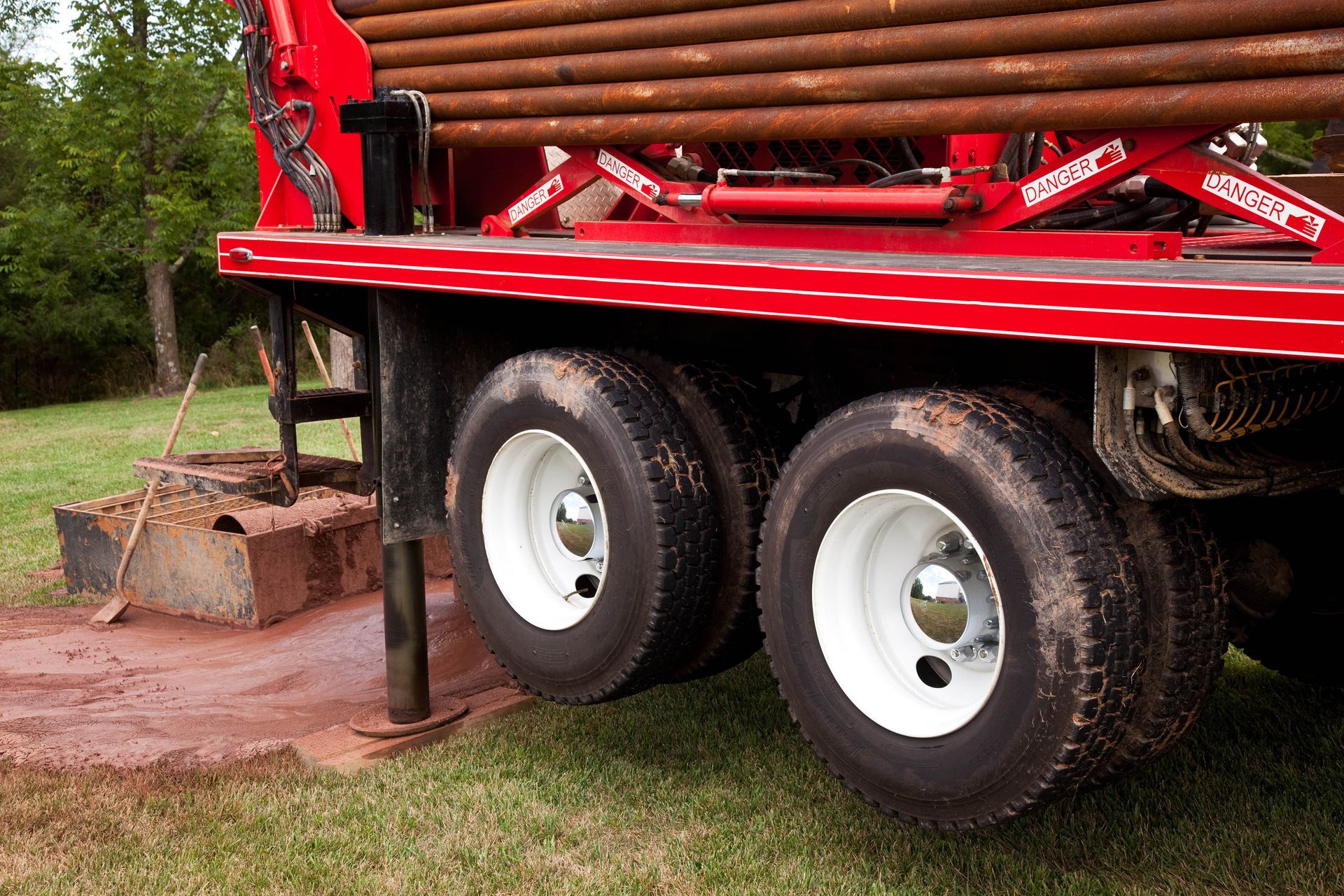
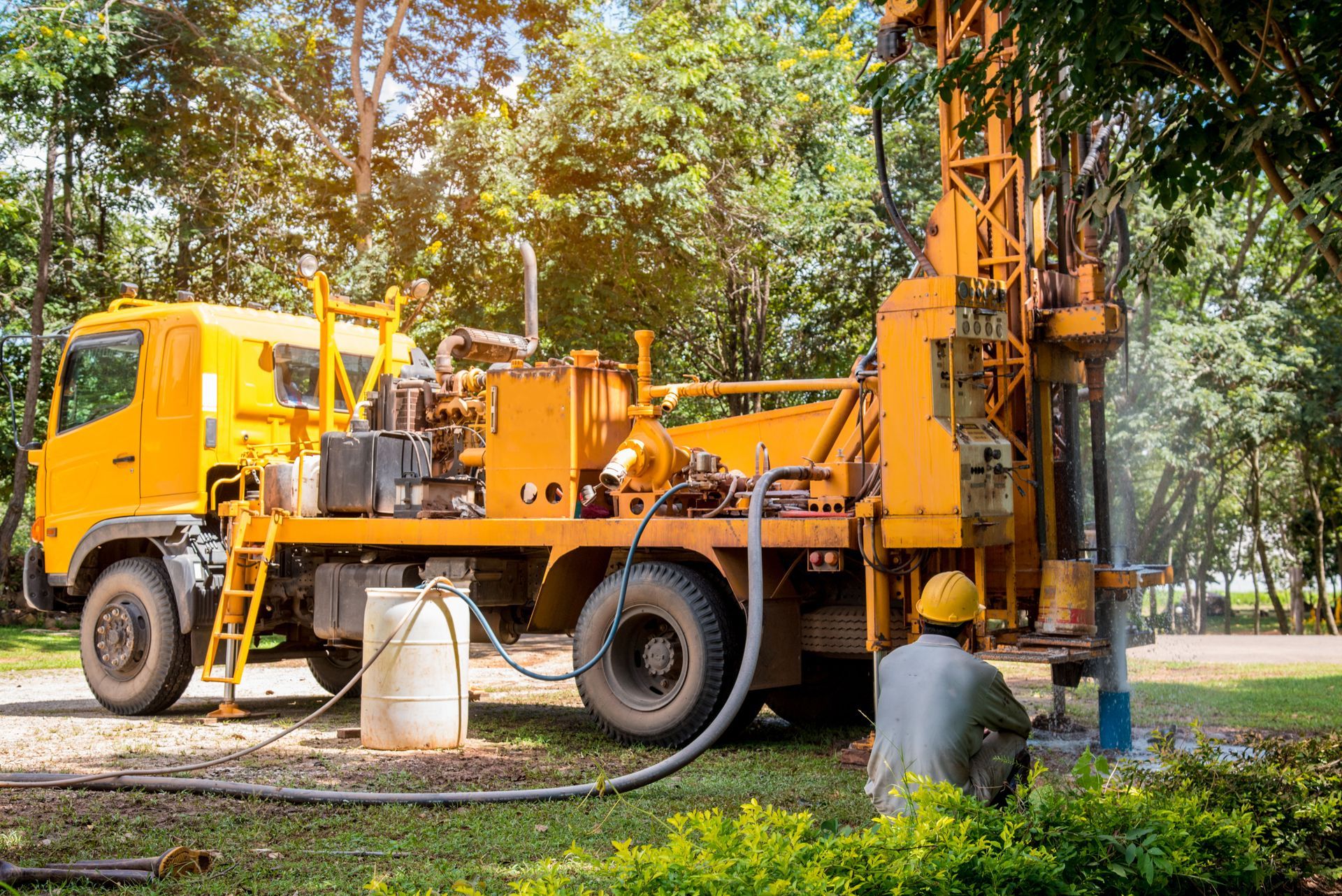
Modern water well drilling relies on specialized equipment designed to handle a variety of ground conditions safely and efficiently. The choice of drilling method and machinery depends on factors like target depth, soil type, and the specific needs of the property. Skilled operators evaluate these variables on-site and select the approach best suited to achieving a stable, long-lasting well structure.
Efficiency during installation isn't just about speed — it's about minimizing disruption to the property while ensuring the well is constructed to industry standards. Poorly executed drilling can lead to structural issues, contamination risks, or reduced water yield down the line. This is one of the clearest reasons homeowners benefit from hiring established professionals rather than attempting shortcuts or hiring inexperienced contractors who may lack the equipment or training to handle unexpected conditions.
Matching Pump Systems to Household Water Needs
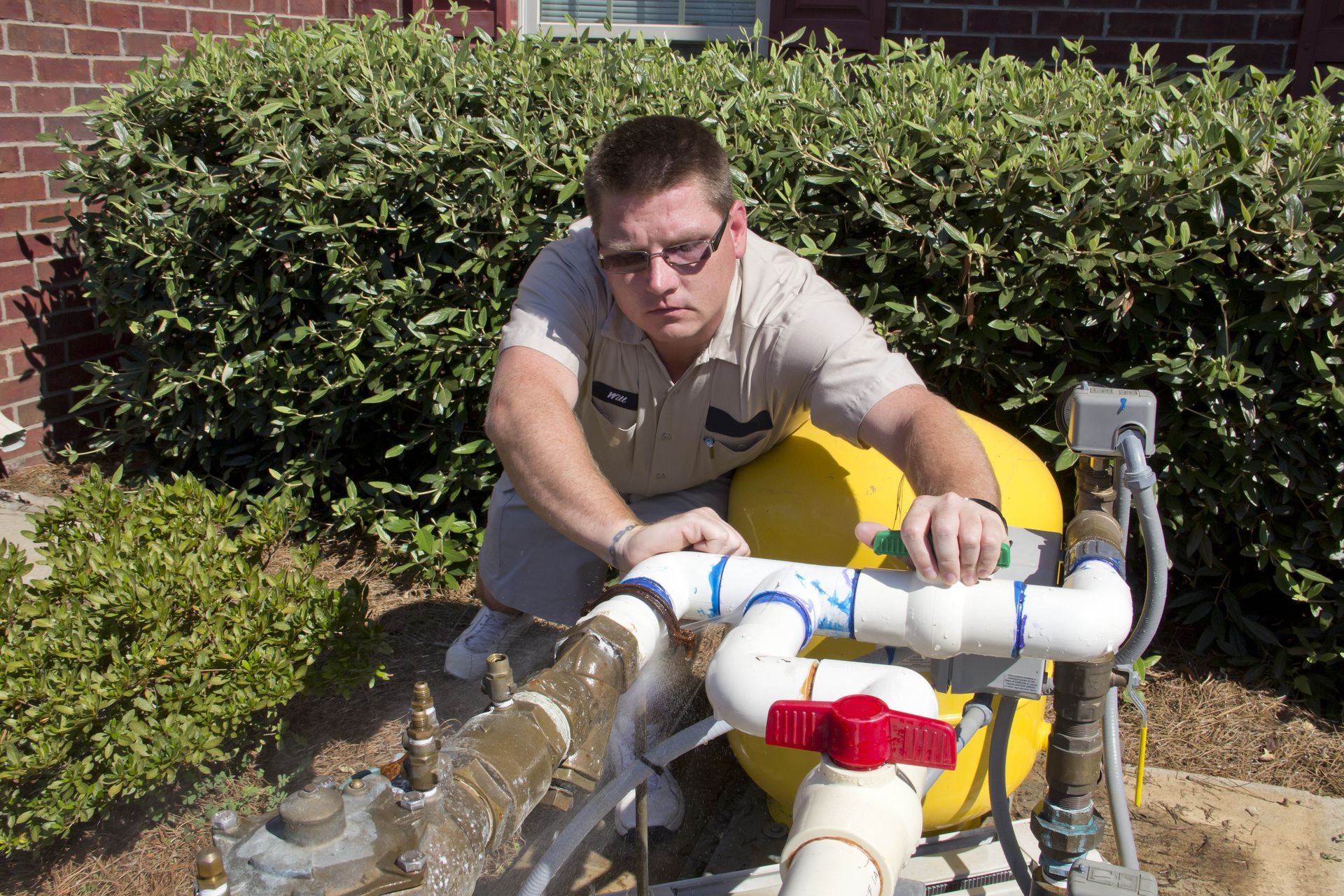
Once a well has been successfully drilled, selecting the right pump system becomes the next critical decision. Pump choice depends on several factors, including well depth, expected water volume, and available power sources at the property. Submersible pumps are commonly used for deeper wells, while turbine pumps tend to suit higher-capacity systems that need to move larger volumes of water efficiently. Booster pumps can be added to improve water pressure throughout the home, and solar-powered pumps offer a practical solution for properties with limited access to conventional electrical power.
Choosing the correct pump isn't simply about matching specifications on paper. It requires a real understanding of daily household water usage patterns, seasonal demand fluctuations, and how the system will perform under varying conditions. Professionals who specialize in both water well drilling and pump installation are best positioned to recommend a setup that balances performance, reliability, and cost over the life of the well.
Prioritizing Professional Expertise Throughout the Process
It's tempting for some property owners to view well installation as a straightforward task that doesn't require specialized help. In reality, water well drilling involves layers of technical decision-making that benefit significantly from professional experience. From interpreting local geology to selecting the right casing materials and pump systems, each step carries consequences that affect the well's long-term performance and safety.
Working with licensed, insured professionals also protects homeowners from liability issues and ensures the finished well complies with state and local regulations. Missteps during installation, whether related to depth, casing, or water quality, can be expensive and difficult to correct after the fact. Choosing a team with decades of hands-on experience in the region significantly reduces these risks and gives homeowners confidence that their investment will perform as expected for years to come.
Maintaining Your Well for Long-Term Reliability
A well's usable lifespan depends heavily on construction quality, usage habits, and consistent maintenance. Many residential wells remain fully functional for decades when they receive routine inspections and timely service. Homeowners who stay proactive about maintenance — checking pressure levels, inspecting pump components, and monitoring water flow — tend to catch small issues before they escalate into costly repairs.
Environmental factors, such as fluctuating groundwater levels or increased household demand, can also affect long-term performance. Addressing minor irregularities early helps preserve the system and prevents unnecessary strain on the pump and casing. Establishing a relationship with a trusted service provider after your initial water well drilling project is completed makes ongoing maintenance far more manageable, since technicians familiar with your specific well are better equipped to diagnose issues quickly and accurately.
Installing a residential water well is a significant undertaking, but with the right planning, equipment, and professional guidance, it becomes a manageable and highly rewarding investment. From evaluating site conditions and understanding regional geology to selecting the right pump system and committing to ongoing maintenance, every step plays a role in ensuring your well delivers reliable water for decades. Cutting corners or attempting to skip professional involvement often leads to costly setbacks, while working with experienced experts helps homeowners avoid unnecessary delays and long-term performance issues.
If you're ready to explore water well drilling for your East Texas property, we'd love to help. At Palestine Drilling & Services, LLC, we bring decades of local experience to every residential project, guiding you through each step from initial site evaluation to final pump installation. Contact us today to request a free estimate and take the first step toward a dependable, private water supply for your home.